|
Haven?t we all, at one time or another, been stuck
in a railway station or an airport waiting for a train or plane to transport us
to somewhere else? Rana Dasgupta has put his waiting time to better use than most
people. Once on a trip from New York to San Francisco, his flight was cancelled
and he found himself stranded at Houston airport. Dasgupta and a group of fellow
passengers headed for the bar where they began telling each other their life stories.
?It was this experience of story-telling that inspired me to write Tokyo Cancelled,
says the author.
Is Rana Dasgupta about to become the Next Big Thing
in Indo-Anglian literature? He doesn?t like being slotted too easily and he?s
careful to point out that he?s Indian only in name since he was born and brought
up in the UK.
Nevertheless, Dasgupta, the author of Tokyo Cancelled,which
has received strong reviews, clearly does have strong Indian ties. In 2001, he
chucked it all up, moved to New Delhi and found a job with a public relations
firm that was opening an office in the city. But after signing a contract to write
the book in 2002, he gave up his job and settled down full-time to write his debut
novel. It wasn?t a search for roots that brought him back to India. Rather it
was a hard-headed business decision. ?Life in London is expensive. You need to
earn a lot to survive and in the end you don?t have enough time to write,? he
says.
Geographical locations clearly don?t matter much to
Dasgupta who has written a modern-day saga about a group of 13 passengers who
are snowed in and stuck at an airport with their connections to other parts of
the world unable to land. The reviewers have called it a modern day Canterbury
Tales and Dasgupta himself says he?s a fan of medieval literature including
Geoffrey Chaucer?s classic tale. ?I wanted to pen a collection of tales about
the act of story-telling rather than the stories themselves. It was more like
the way we?d enjoy listening to our grandmother telling us tales, not for the
stories but for entertainment.?
Dasgupta hasn?t really had to struggle to find his
niche in the world of literature. In Britain, he was taken on by literary agent
Toby Eady. After a quarter of the book was written, Eady approached six publishers
and three bid for it.
Tokyo Cancelled, published by HarperCollins
in India, is being launched in Britain later in May. By autumn, it will be translated
into French and German and released in Europe. Dasgupta describes it best as a
?celebration of the global space?. ?This book is not about solving things but
asking certain questions. The mythology of contemporary urban life is explored.
The locations in the book are only incidental, they are not crucial to the crux,?
he says.
Dasgupta, 34, is a child of our globalised age. Born
in Cambridge, he studied French literature at Oxford. From there, he continued
his studies in France before going to Wisconsin, USA for a course in media studies.
Finally, he joined a marketing consultancy firm, constantly flying between London,
Kuala Lumpur and the US. Says Dasgupta, ?Life isn?t smooth. I wanted to make a
film but it didn?t work. Then I got a job offer as a consultant.?
Finally, when he decided to chuck it all up, he moved
to New Delhi. But even though he has pulled out from the consultancy game, the
world of business does make it into the book. ?I?ve learnt a lot from the corporate
world and much of that is there in Tokyo Cancelled,? he says.
Besides being a fan of Chaucer, Dasgupta also admires
Salman Rushdie. ?Rushdie has shown that contemporary writing didn?t have to be
banal or unliterary,? he says.
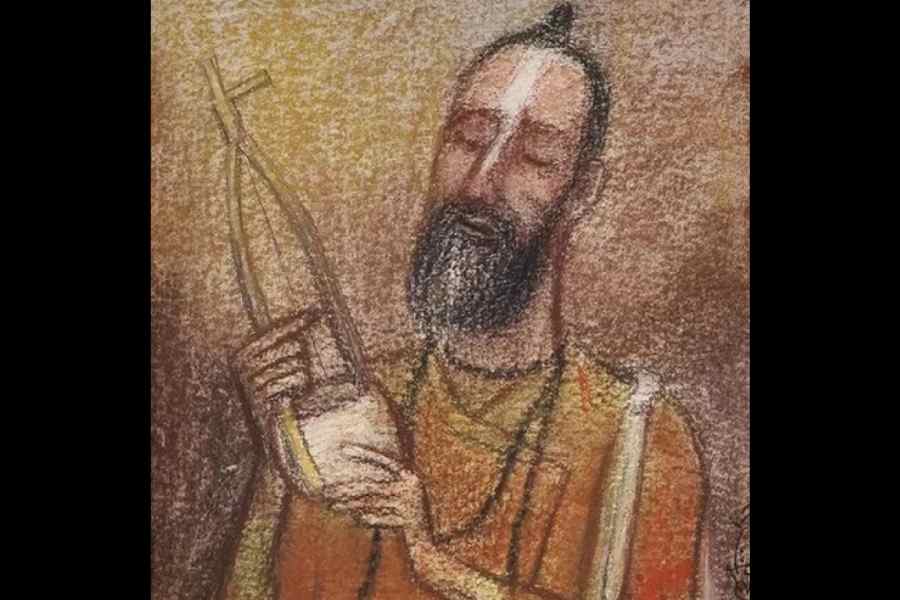
It is Dasgupta?s desire to experiment with language
as well as write about places that has prompted him to write a second book. He?s
guarded about its theme but has gone on record to say that he has been working
on it for about nine months and that it will be about a fictional prophet and
his sayings.
However his debut venture fares or his second book
shapes up, Dasgupta does not believe in planning his life. He is quite content
to ?write for now?.
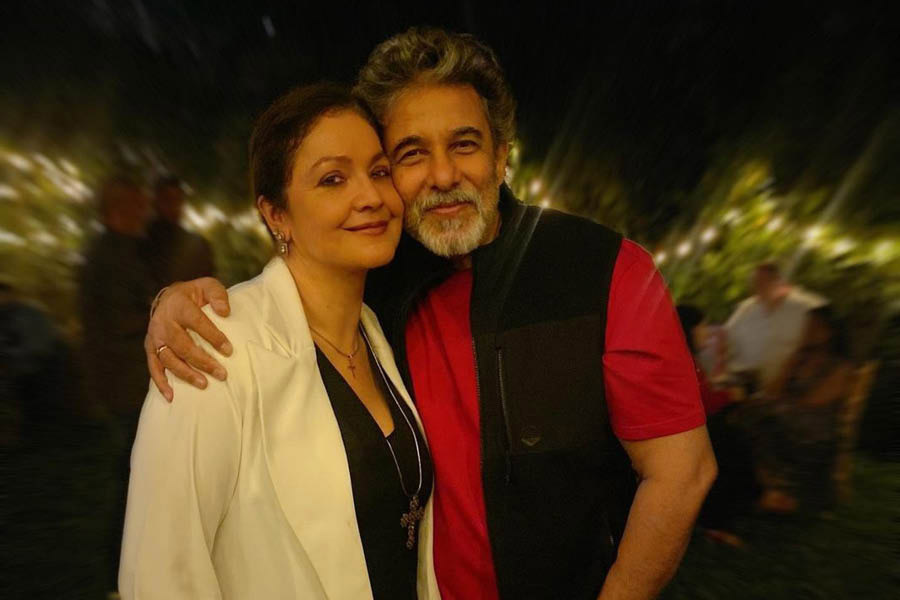
Photograph by Rashbehari Das
|