|
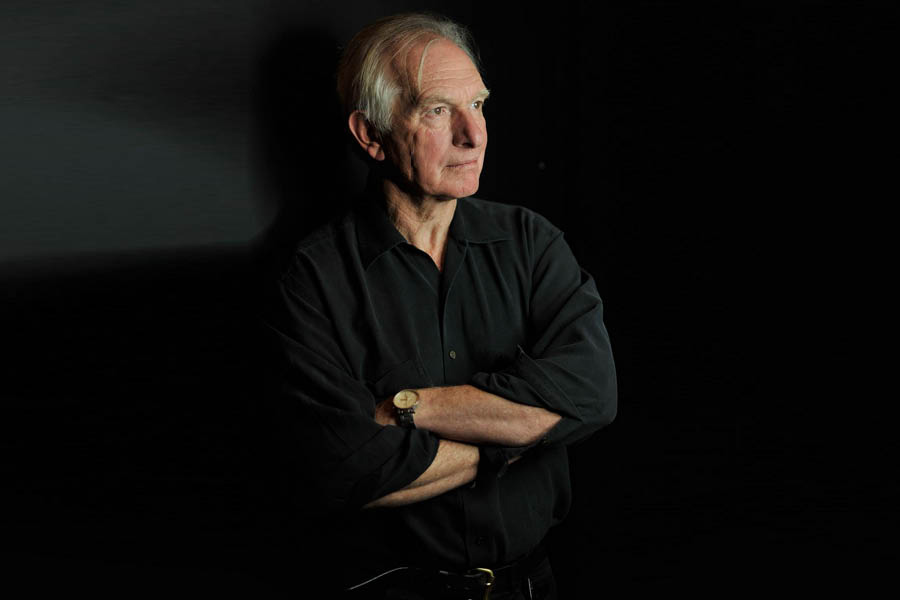
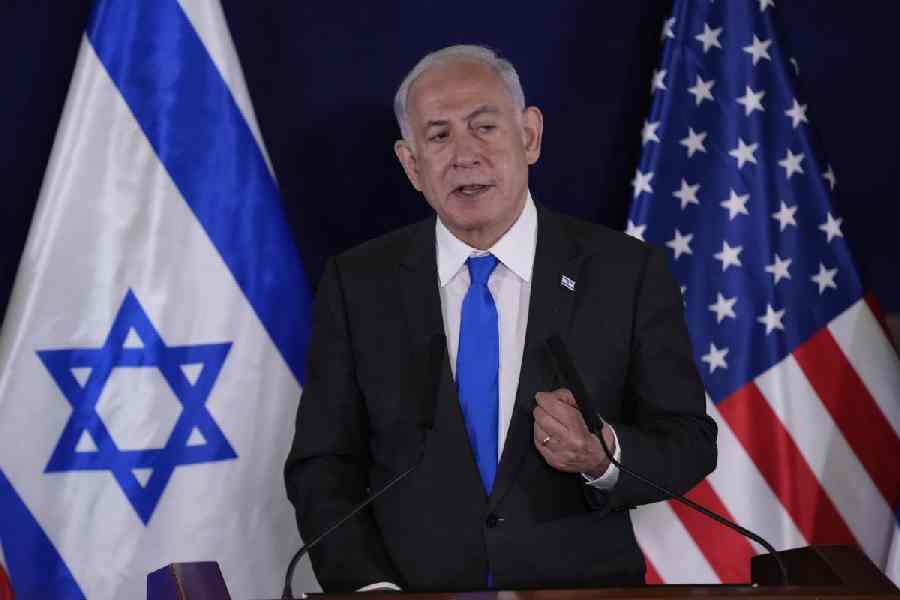
| Tony Blair in London. (Reuters) |
 |
| Corporal Mark Cooley beats an Iraqi detainee
at an aid camp known as the Bread Basket near Basra, Iraq, in May 2003. (AP) |
London, Jan. 19 (Reuters): Iraq returned to haunt Prime Minister Tony Blair today as pictures of British soldiers apparently abusing Iraqis were splashed over newspapers in an echo of last year?s Abu Ghraib prison scandal.
As a court martial of three British soldiers continued in Germany, front-page pictures showed naked Iraqi prisoners appearing to be forced to simulate anal and other sexual acts under ?Shame? and ?Shock? headlines.
Just four months before an expected election, Blair was forced yet again to answer questions on Iraq ? nearly two years after the deeply unpopular war started.
?Everyone finds those photographs shocking and appalling, and there are simply no other words to describe them,? Blair told parliament, adding, however, that the majority of British troops had acted with distinction and honour.
Questions over the Prime Minister?s decision to side with President George W. Bush and go to war, especially given the failure to find any weapons of mass destruction in Iraq, have led to a slump in Blair?s personal trust ratings.
But in the last few months Blair, tipped to win the election expected in May albeit with a reduced majority, had steered political debate back onto domestic issues.
?Everyone finds those photographs shocking and appalling, and there are simply no other words to describe them,? Blair told parliament today. He insisted a majority of British troops had acted with distinction and honour.
?There is obviously a certain amount of damage because Blair is associated with the policy in Iraq,? said Wyn Grant, politics professor at Warwick University.
?It had been off the agenda for the last few weeks and this will bring it back,? he said, adding he could come under greater pressure if Iraqi elections on January 30 do not go smoothly.
The court martial is the latest in a series of hearings against US and British soldiers after photographs of abuse by US troops at Abu Ghraib jail emerged last year, sparking global outrage.
Blair has said the Abu Ghraib scandal was a personal low point and it was at that time speculation arose that he may stand down. Some observers said the photos could help al Qaida.
?There will be such anger against the coalition, and against Britain in particular, that there is no way cooperation and goodwill can prevail,? Tam Dalyell, a member of Blair?s Labour Party, told Sky television. That view had some resonance in Baghdad.
?Now I?m starting to hate the British: they are worse than the Americans, they are dogs,? said Safaa Hadi, a 16-year old on a Baghdad street.
But unlike Abu Ghraib, the trial has not sparked allegations of systematic abuse.
At the trial in Osnabrueck, Germany, a British soldier accused of abusing and sexually humiliating Iraqi prisoners had only been following orders to work them hard, the man?s lawyer told a military court today.
The defence began cross-examining witnesses at the trial of Corporal Daniel Kenyon and lance corporals Darren Larkin and Mark Cooley.
Accusations against the soldiers emerged when staff at a photo lab in Britain showed police photos taken by a fourth soldier, Fusilier Gary Bartlam.
He was found guilty of a series of offences. Joseph Giret, a civilian lawyer for Kenyon, told the court his client was following orders to round up looters pilfering food stores near Basra. Under a plan called ?Ali Baba?, troops were told that looters were to be ?worked hard? to repair damage and deter further pilfering.
Yesterday, the prosecution said the order was against international law preventing civilians from being detained and forced to work, but the prosecutors said soldiers? actions went far beyond it.
Colonel Nicholas Mercer, a senior legal officer stationed in the Gulf during the war, told the court the soldiers had received adequate training in the laws of armed conflict and should have known civilians were to be treated humanely.
|