|
The 1966 Charter of Venice is a historic document because it brought together architects and technicians, albeit from the western European world, to formulate a charter on the conservation and restoration of monuments and other sites.
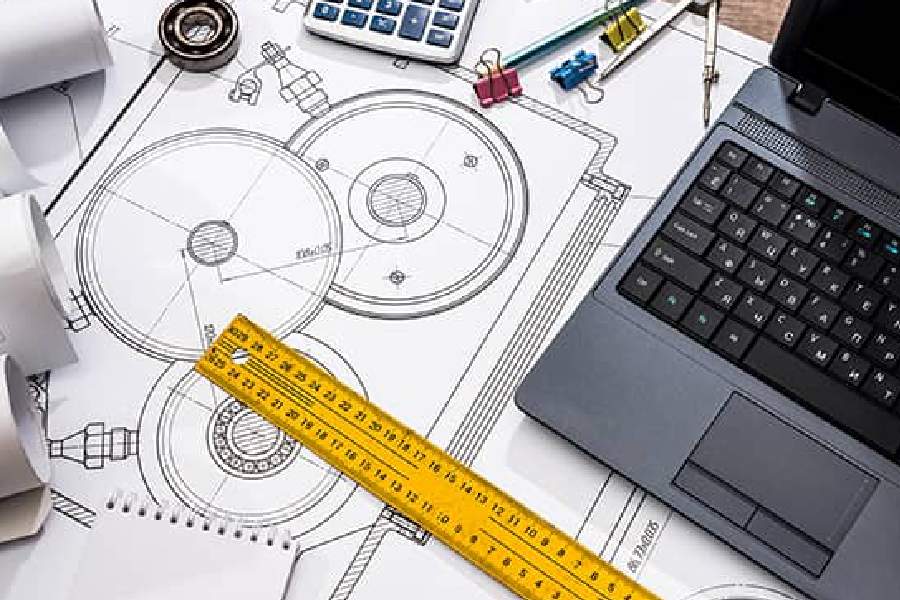
It deals with the methodology to be adopted for conservation initiatives throughout the world. The first step in all conservation projects is the systematic and scientific analytical and critical documentation of all works of preservation, restoration and excavation. The documentation report must be illustrated with drawings and photographs. When governments say that they cannot support the documentation and preparation of reports for conservation projects they fall into an unfortunate chasm. Before any restoration or conservation work is attempted, documentation of the site has to be done in a thorough manner because historical buildings belong to the nation.
Written record
A historical building bears witness to a historical period. Therefore the entire site has to be properly documented so that there is a record of all historical evidence, tangible and intangible, contained within the heritage site. Any intervention in the building also has to be scientifically recorded so that generations later, if someone wants to know, for example, the state of ruin of the building in 2004 and what conservation architects did to repair the broken wall of the building and how it was done, his right to know this may be honoured. This documentation becomes part of the historic record of the building. The Venice Charter says that every stage of the work of clearing, consolidation, rearrangement and integration, as well as the technical and formal features identified during the course of the work, should be included in these records. They should be kept in the archives of a public institution and made available to research workers as these, like the buildings they record, are public property.
Governments, which are the largest owners of historic buildings and heritage sites, are not keen to spend time and money on documentation of the conservation process. They want to smarten up the building, and they want quick and easy results. They see no use of the extra expense on recording every detail before and while the work is done. If something goes wrong, a pillar falls or a beam breaks while work is on, as citizens who ?collectively own? all historical sites in India, we need to know what happened, why it happened, and what the building looked like before this ?mistake?, and after it was corrected.
Right to know
That sense of ownership ? that the heritage is ?ours?, and the government and private owners are just the caretakers ? is a concept that is not widespread in India. This is a pity, for there should be a public outcry when conservation work goes wrong, as it did last year on one of India?s most important historical buildings ? the Red Fort in Delhi. Years ago the whole country went up in arms when they heard about the Taj corridor, or that the Taj Mahal was losing its colour because of pollution in the air around Agra and Mathura.
Again, all would not be lost if there is proper documentation, even if something goes wrong. As with a medical report, we can trace the problem and find a remedy because the records show the entire picture before and after treatment and the nature of the treatment itself. The necessity of documentation, as suggested by the Charter of Venice, stresses the notion that nations and its citizens should ?develop? this sense of ownership for all heritage property found in their country, and that scientific documentation gives due honour and respect to heritage by understanding it to be a valuable, non-renewable and irreplaceable resource of a nation.
|