|
|
BLACKOUT BLUES: The stairwell of Amarjyoti Building, on Belvedere Road, stands dark and eerie as a power bill dispute has left the 13-storeyed without electricity since July 19. Picture by Sanjoy Chattopadhyaya
|
In our big city amidst the bright lights, there is a tiny pocket of forced darkness that is taking its toll on around 500 residents.
Amarjyoti Building, at 10, Belvedere Road, beside Alipore police station, has been without electricity since the afternoon of July 19, 2004.
An electricity dispute has plunged the 60 flats in the 13-storeyed building into comparative darkness.
They are now dependent on a generator, which cannot take the load of the whole building at once. So, when the pump goes on, the elevator stays put. This has led to at least one hospitalisation, some kids getting trapped in the lift and days of unending despair.
The cause of the switch-off is an old one and is now in court. None of the flat-owners at Amarjyoti Building had a private power meter installed. The apartments run on sub-meters connected to the high-voltage transformer.
Of the two sub-meters, one is a residential line and the other, commercial. The four commercial units in the building have not paid their dues between April and June, resulting in the disconnection of the transformer and, finally, blackout.
“My daughter broke her leg a couple of weeks ago. She had an exam last Friday and was forced to walk down 12 floors with the injured leg,” said Sunita Agarwal, mother of Sonal.
The Dhandhaniya household on the 12th floor has been cruelly hit.
“I usually sleep with the air-conditioner on to prevent sweating, which leads to urinary-tract trouble,” complained bed-ridden Kanta Dhandhaniya. But with the power crunch, this was not possible and she had to be admitted to hospital last week.
One floor up lives 90-year-old T. Vati Singh. He doesn’t dare go out any more, lest he has to take the stairs.
Flat-owners have had to choose between water supply and the elevator. “To switch on the pump, we have to switch the elevator off. Otherwise the generator cannot handle the load,” explained Sanjay Sur, caretaker of the building.
“We can’t keep the generator running all the time. It has already caught fire once. We have to let it cool down for two to three hours after every six hours of running it.”
Most residents on the higher floors have stopped venturing out in the evening, fearing the worst — having to climb numerous flights of stairs in the heat and dark.
Even the cost has become a burden. “We would usually pay around Rs 5,000 to Rs 6,000 a month towards electricity. But we have had to squeeze out more than Rs 15,000 till now for generator fuel,” complained Sandeep Shah, one of the residents.
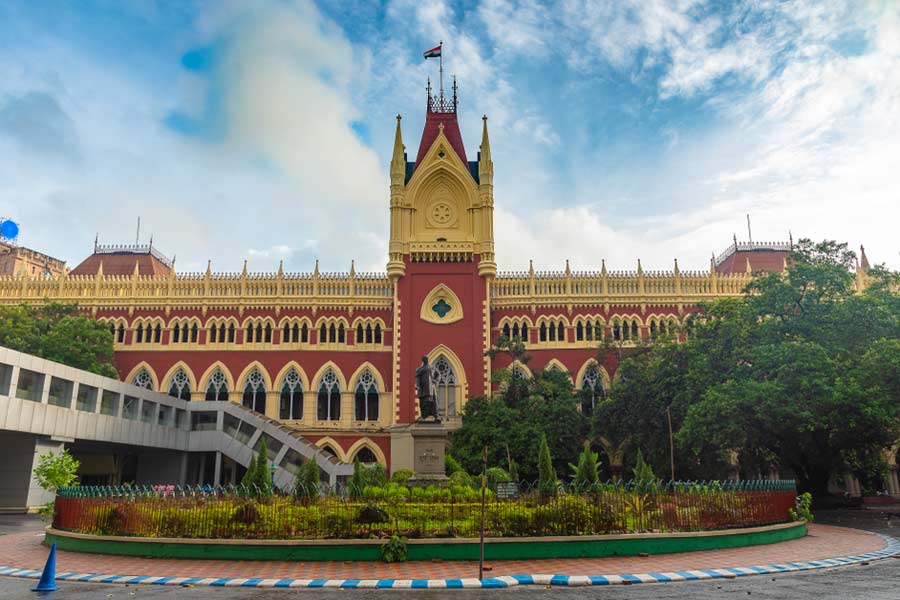
Meetings are on regularly to resolve the problem. Justice Shubhra Kamal Mukherjee has appointed Sudhanshu Kumar Datta as special officer to determine the billing amount for the consumers.
“My report will be sent to court. I can’t say anything more as the matter is sub-judice,” said Datta.
But according to CESC officials, the matter is one that could have been settled within the cooperative. “The cooperative was given one bill with the residential and commercial charges. It could have sorted the payment issues out with the commercial concerns independently to ensure the whole building was not affected,” said a spokesperson.
The CESC official stressed that the utility had followed the court directives to resolve the matter, but an agreement about fair rates could not be reached with the cooperative, so far.
|