TT Epaper LHS
The Telegraph
TT Mobile
 
 
IN TODAY'S PAPER
CITY NEWSLINES
 
 
ARCHIVES
Since 1st March, 1999
 
THE TELEGRAPH
 
CIMA Gallary
 
Email This Page
Iraqi cries: Kill his brain but let him live

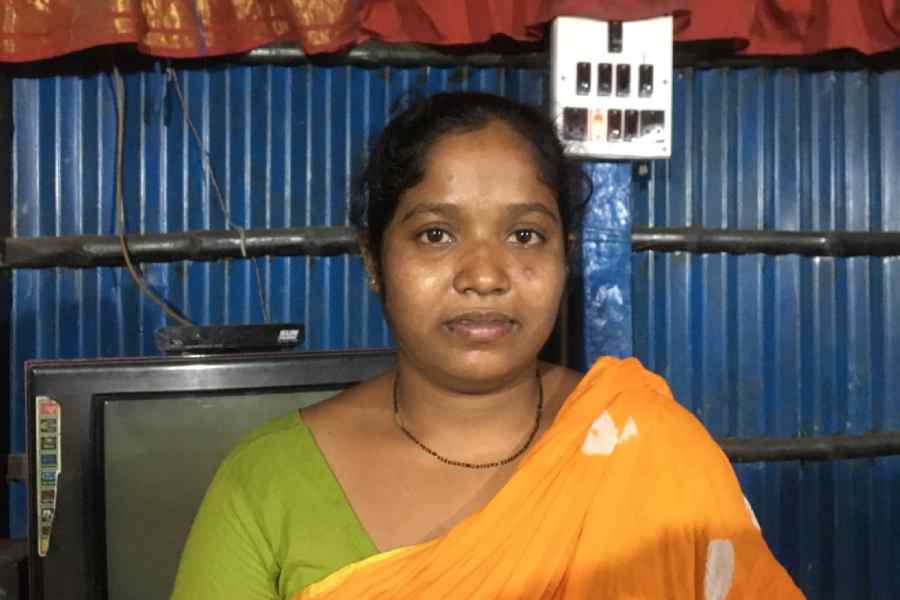
Baghdad, June 30 (Reuters): When Kati Hamadi ponders what should be done with Saddam Hussein, she longs for the invention of a special poison that would kill his brain but keep him alive in pain and misery for decades to come.

Hamadi, a 41-year-old mother of three, lost both her husband and her brother to Saddam’s henchmen in the 1980s and 90s and finds it hard to imagine a form of torture that could possibly match the former dictator’s capacity for evil.

“If they bury him alive, he will just die right away,” she said today, considering the death options on the day that Saddam went before a judge and entered Iraqi judicial custody. “I wish there was some technology in the US to make a special injection for him that would kill his brain so he couldn’t think but keep him alive, and he would just waste away like that for the rest of his life.

“There must be a way to really make him suffer,” she said.

Hamadi, a softly spoken woman from a middle class Baghdad family, was not always this way. After a comfortable Sunni upbringing and three years at university, she taught Arabic, physics and religion at secondary school and, partly by dint of her teaching position, was made a low-level member of Saddam’s Baath party. She married and began having children.

In 1986, her 21-year-old brother, the apple of her parents’ eyes, returned home on weekend leave from the army. His hands were badly damaged and swollen from forced labour and beatings, so his parents took him to the hospital for treatment.

The doctors strapped him up but decided to keep him in overnight because he looked close to exhaustion. That night’s stay meant he missed his appointed return to barracks, prompting Saddam’s secret police to come looking for him.

“The intelligence people came. They said he was a day late for his military duty. They took him away and then they executed him,” Hamadi said, tears welling in her eyes.

“We found his body in a mud hut near the airbase. His body was blackened from electrocution and had been punctured all over — the blood was completely drained from him. There was a bullet wound in his cheek and in his chest,” she said. “He was such a handsome boy, so special to the family. My father died three months later from the grief and my mother cried so much she all but went blind.”

For a while Hamadi worried for her own sanity as she spent day after day holed up at home in depression. She quit the Baath party, and then started receiving threatening letters from its officials warning her not to betray its ways. She lost her job. Then, just when she thought she was getting over the grief of her brother, the army conscripted her husband. Like so many others determined not to become cannon fodder, he fled. He hasn’t been seen since that day in 1991 and is presumed dead.

More than a decade on, and despite Saddam’s fall, Hamadi still worries about being tracked down by the Baath party. She holds that institution and its former figurehead — Saddam — entirely responsible for destroying her life. “Why don’t they just kill him?” she asks. Despite her longing for brutal revenge, she still thinks it’s a good idea to try the former dictator. “Having an Iraqi trial is an excellent idea. It will expose his murderous past and let Iraqis know all the things he has to answer for — Iraqis need to hear that.

Top
Email This Page