Canalys
The Telegraph
 
 
IN TODAY'S PAPER
CITY NEWSLINES
 
 
ARCHIVES
Since 1st March, 1999
 
THE TELEGRAPH
 
 
Email This Page
HOUSE OF LORDS?
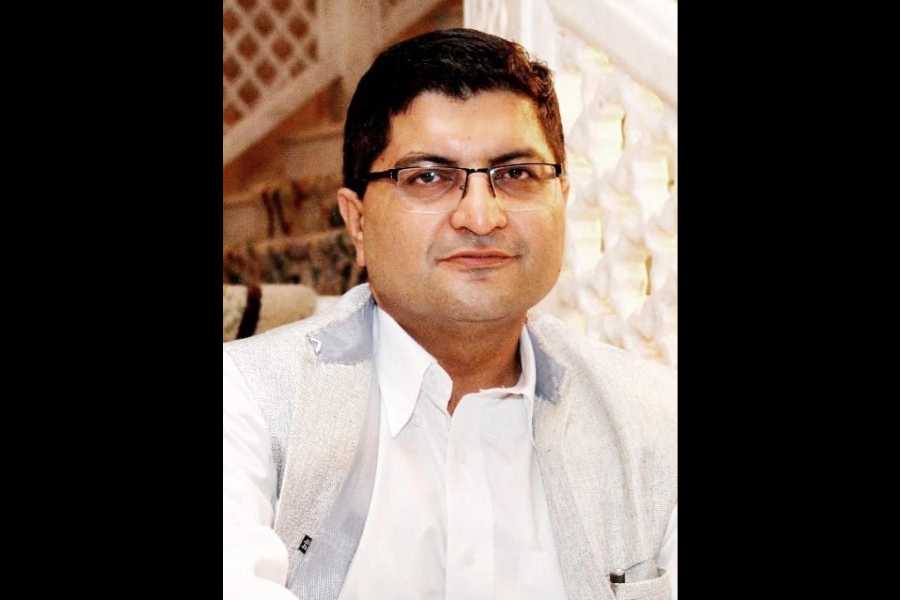
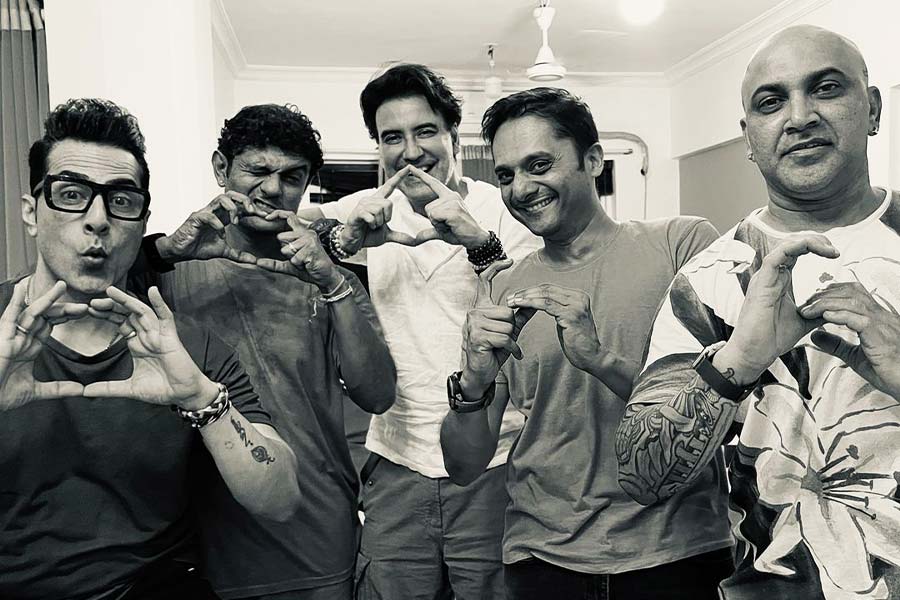
Vijay Mallya: Brought more than chunky jewellery and sartorial elegance

The House of Lords in medieval England was meant for the episcopal and the armed nobility to assist the anointed monarch. However, by the 16th century, the monarchy looked increasingly among the non-aristocratic classes for political support. By the seventeenth century, aspiring men of wealth were trying to purchase their way into the Lords, the preserve of the aristocracy. The early Stuarts in England found it both financially and politically advantageous to pack the Upper House with such yes-men, particularly at a time when the Lower House was getting increasingly critical of the powers of the monarchy.

By about 1615, James I made the awarding of peerages a business. He started selling them at ten thousand pounds a piece. Of the various charges against his favourite, Duke of Buckingham, at his impeachment was that he was trying to extract ten thousand pounds from a West Country gentleman for a baronetcy.

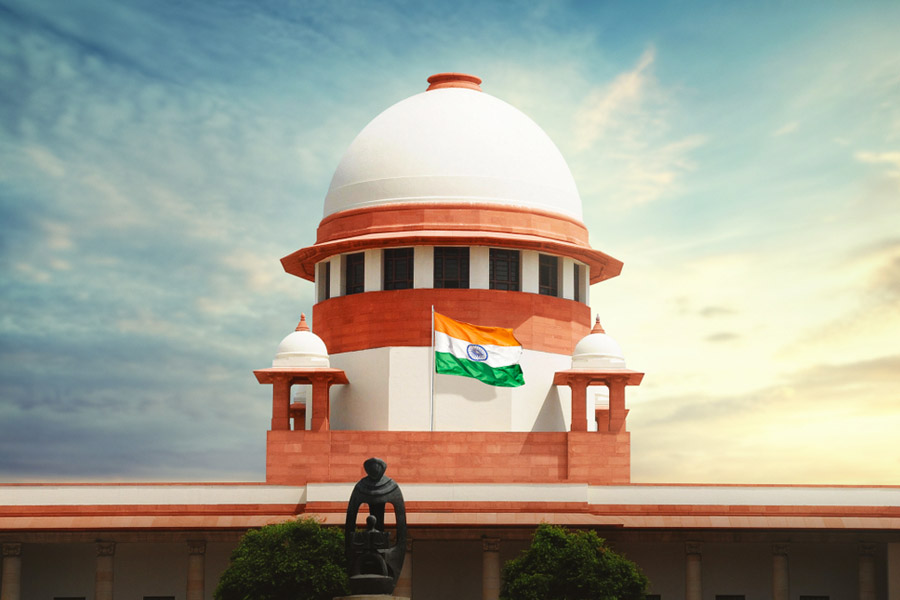
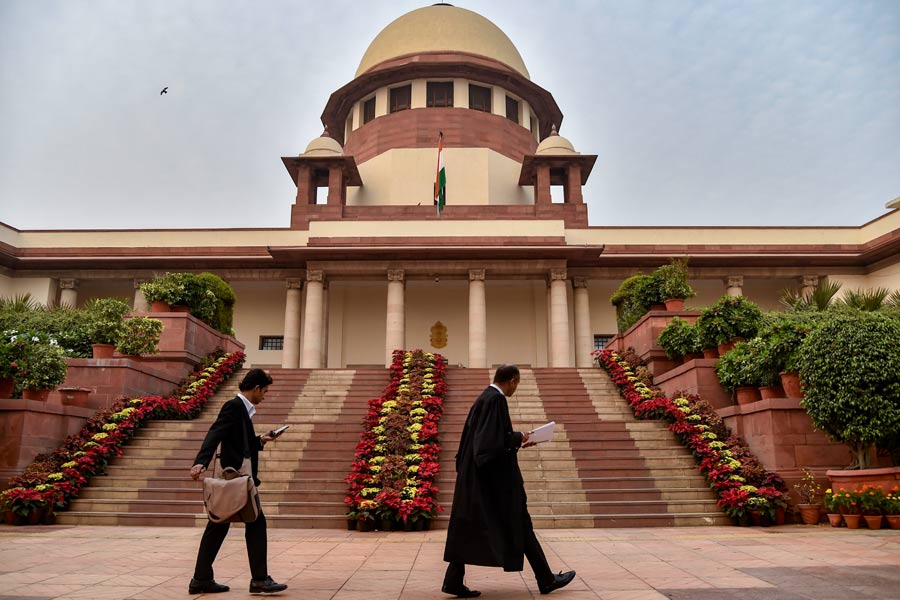
The Indian upper house, the Rajya Sabha, of course, has a distinct history from the British House of Lords. According to the Indian Constitution, it represents the interests of the states in the Union. After the dropping of the domicile clause for getting elected to this Chamber of the States however, it is no longer very clear why it continues to exist. The nation owes a debt of gratitude to veteran journalist Kuldip Nayyar for bringing this to the attention of the Supreme Court, which is currently looking into this constitutional distortion.

Several captains of industry in India have also opted to take the high road to politics through the Upper House in India. There were overtly political families like that of the Birlas who traditionally played a role in politics. Neither Ghanshyamdas Birla nor K.K. Birla ever made any bones about their support to the Congress. K.K. Birla served a long and productive tenure in the Rajya Sabha — as an independent for a brief while and then later as a Congress member of parliament. R.P. Goenka has been a long-time Congress supporter and the party has rewarded him with a Rajya Sabha seat.

However, of late the list of businessmen already in the Upper House or trying to join it has lengthened somewhat — liquor baron Vijay Mallya, hotelier Lalit Suri, businessman Jay Panda, jute and tea baron Santosh Bagrodia, Videocon’s R.K. Dhoot, industrialist Premchand Gupta, pharma-king Mahendra Prasad, newspaper barons Vijay Darda and Girish Sanghi, industrialist Amar Singh, bidi-king Praful Patel, businessman Thiruvanakassur and now Reliance Group’s Anil Ambani. Different political parties had also brought industrialists Viren Shah, Jayant Malhoutra and Sanjay Dalmia into the Rajya Sabha.

The claim that these businessmen have bought their way into the Rajya Sabha would be both unfair and preposterous. India is not Stuart England. The leaders of our democratic parties are certainly not comparable to James I or their factotums with George Villiers, the Duke of Buckingham, selling memberships of the Upper House. This is as true of the Congress (who nominated R.P. Goenka, Santosh Bagrodia) as it is of the Bharatiya Janata Party (Thiruvanakassur now and Mukund Iron and Steel’s Viren Shah earlier), the Shiv Sena (R.K. Dhoot), Samajwadi Party (Amar Singh, Sanjay Dalmia earlier and support for “independent” candidate Anil Ambani), Nationalist Congress Party (Praful Patel) and the Bjiu Janata Dal (Jay Panda).

Many of their nominees to the Rajya Sabha are political heavyweights in their own right. Did Viren Shah not protest against the Emergency and was he not one of the accused in the Baroda dynamite case? Praful Patel has never been shy of contesting direct elections. Amar Singh greases the political gears, smoothening the formation of political alliances that have tended to lend stability to our increasingly fragile polity. And surely, Vijay Mallya brings more than chunky jewellery and sartorial elegance to the Upper House.

In any case, it is perfectly legitimate for any Indian citizen to seek to represent his state or participate in elections - direct or indirect. If journalists and film stars can get into the Upper House, why should one get worried if some corporate bosses do the same? However, we need to understand the reasons why political parties are nominating rank outsiders, from the corporate sector, to parliament.

The party system has weakened over time. Internal institutional mechanisms have given way to personalized leadership. Although this is most evident in smaller caste, religion, community and region-based parties; internal institutional dynamics for selecting parliamentary candidates is weak even in the larger parties.

It is also a well-known fact that corporate contributions have been coming into the coffers of our political parties. They are made to influence policies and decisions of the government of the day. The big change now is that, while earlier the captains of industry sought to lobby with the government indirectly, now they want to do so directly.

Earlier, the influence of the corporate sector in lobbying for policies could be checked by parliament — not all the MPs could be presumed to be corporate lobbyists. This mechanism has been eroded over time and with the direct presence of the corporate sector in parliament. It is likely to be further weakened. Consider the following hypothetical situation — there is a securities scam and a 15-member joint parliamentary committee — five members from the Rajya Sabha and ten from the Lok Sabha — is set up to look into it. Of the five members from the Upper House, three are industrialists, the fourth a lobbyist for an industrial house that has nearly 200 front companies playing the market. This lobby then needs to win over only four MPs from the Lok Sabha to command a majority in the JPC — not an insurmountable task at all. What the findings of such a JPC would be is best left to the imagination.

An entry into the Rajya Sabha offers a soft option to the corporate world. The princes who tried contesting Lok Sabha elections in large numbers after 1952 lost.

There is yet another reason why the corporate bosses want to get into parliament. Money is not enough. They want public glory and hence the quest for the power and the prestige that go with membership of parliament. Ordinarily, they would find it difficult to get an appointment with a minister or even a joint secretary in the government. As MPs, ministers cannot refuse to meet them and bureaucrats would dare to do so at their own peril. Revenue intelligence officials, the enforcement directorate and the police would think twice before raiding an MP or questioning him.

Top
Email This Page