|
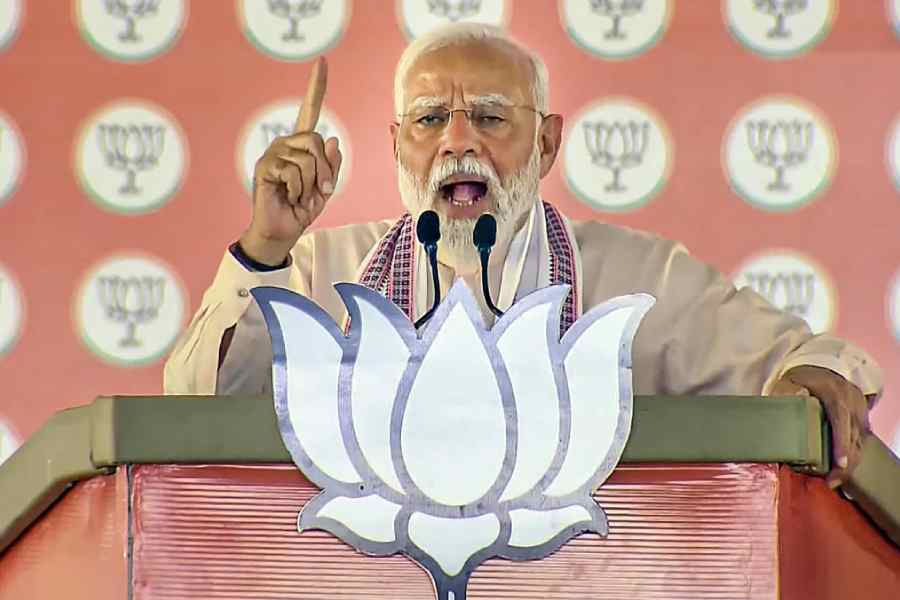
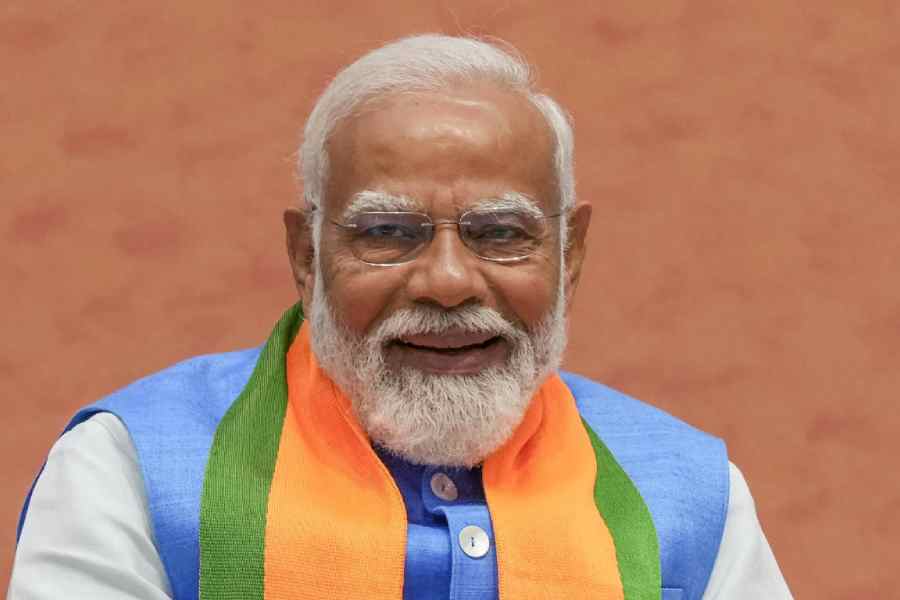
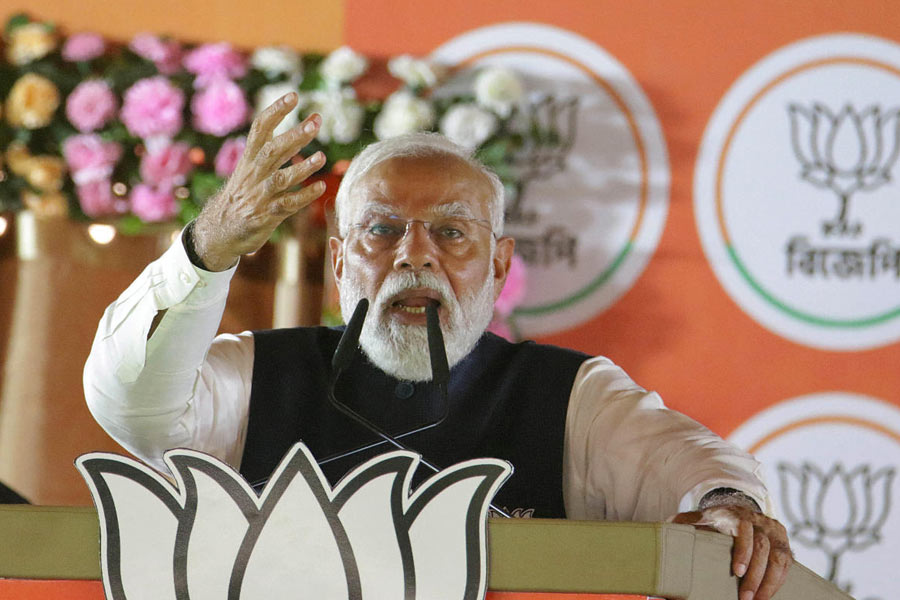
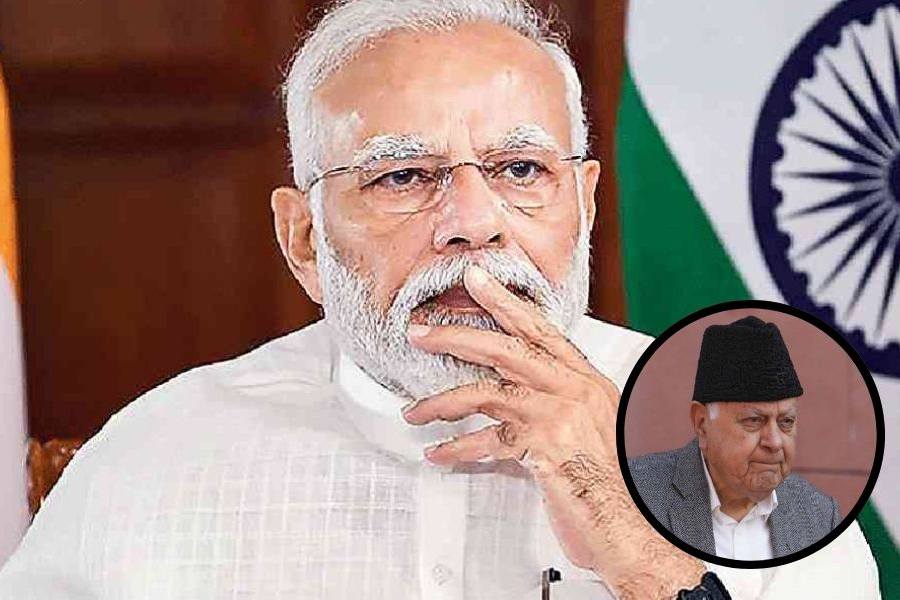
What pre-emptive action cannot pre-empt are the inevitable questions. That much-beleaguered thing, Mr Narendra Modi’s life, has been saved yet again — possibly for the fourth time. What it is saved from, every time, is not an actual attempt on it, but the possibility of one. And most of these averted assassinations tend to coincide with moments of uncertainty in his political career. Mr Modi emerges from every such brush with peril as more sinned against than sinning. His vulnerability becomes a proof of the larger peril that Hindutva, and indeed the entire nation, are in. The common enemy can be anywhere, and it is the duty of the state to identify him and finish him off before he can strike. The problem with this logic is that it involves killing a fair number of people in fairly regular intervals. There are other problems as well. These killings have to be justified within some sort of a legal framework, and the justification appears to stand justice itself on its head; the normal sequence of crime, arrest, investigation, trial, sentencing and punishment seems to act in reverse. Besides, simple common sense keeps raising disturbing questions. What is the nature of the evidence here? Why is the declaration of evidence always post facto? Who were the witnesses? Why are they always absent? What was the nature of the provocation on the part of the alleged militants that forced the police to kill them? And why are the police always unhurt in these “encounters”? Why are these “dangerous” militants always so inept in using, for their own defence, the ample arms and explosives they carry? Why do they always leave a trail of tell-tale letters, diaries and passports? Why do the outfits they allegedly work for never claim responsibility for them? Why are these killings never followed up with proper inquiries?
The latest piece of police action in Gujarat, which left four young people dead, raises every one of these familiar questions. Ishrat Raza’s records, her life at home and in college, her family’s obvious poverty and her relations with the other dead all seem to be at odds with what the police “evidence” claims to establish. The Maharashtra police and the Intelligence Bureau have been saying different things at different times. Besides, the 2002 pogrom in Gujarat and its judicial aftermath have left the police with no credibility in the state, especially in the eyes of the nation’s highest court of law. Only a properly independent inquiry — even if its findings are hideous and far-reaching — can assure the ordinary Indian that his or her life is as deserving of security as Mr Modi’s.
|