Saturday, 27 April 2024
Saturday, 27 April 2024
Saturday, 27 April 2024





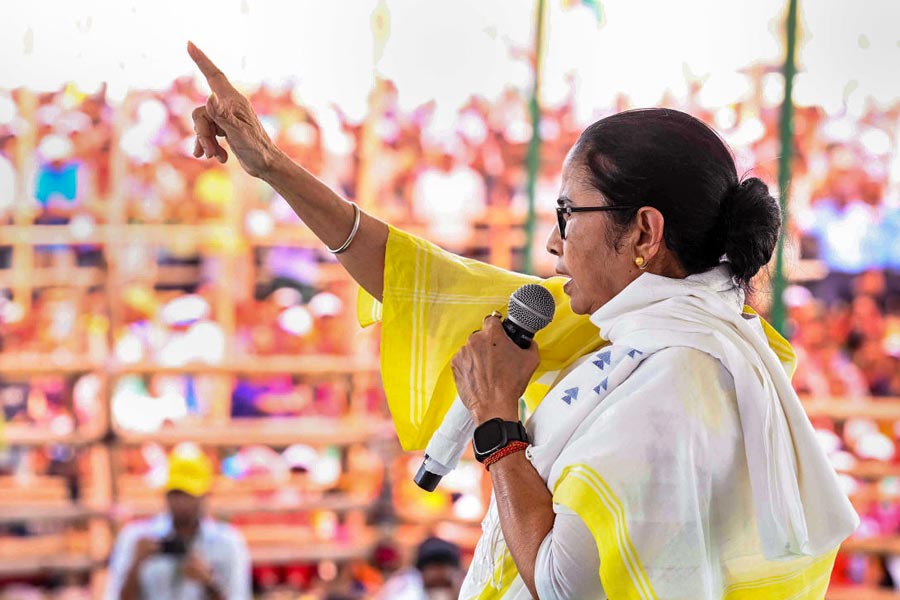

Kapil Sharma brings Aamir Khan on his new Netflix show
Swastika Mukherjee recommends Bianco cafe’s new Summer Special picks
How about making some Indian Coffee House-style Mutton Cutlet this weekend?
This summer, take care of your skin with Nature Spell’s new skincare kit
Kolkata Sanved celebrates 20 years of its Dance Movement Therapy this weekend
The scapegoating of Sri Lankan Tamils has broadly followed similar patterns as in India, even if the axis of persecution took place more on ethnic/linguistic rather than religious lines
ASIM ALI

The truths we express through our art are selected after careful consideration. Only those that skim the surface or keep our deep-seated beliefs intact find artistic expression
T.M. KRISHNA
Bengali does not have one ‘single’ word for them, although they are variously described as unmarried, widowed, separated or divorced. Nor does Hindi. Not that they need new descriptions
CHANDRIMA S. BHATTACHARYA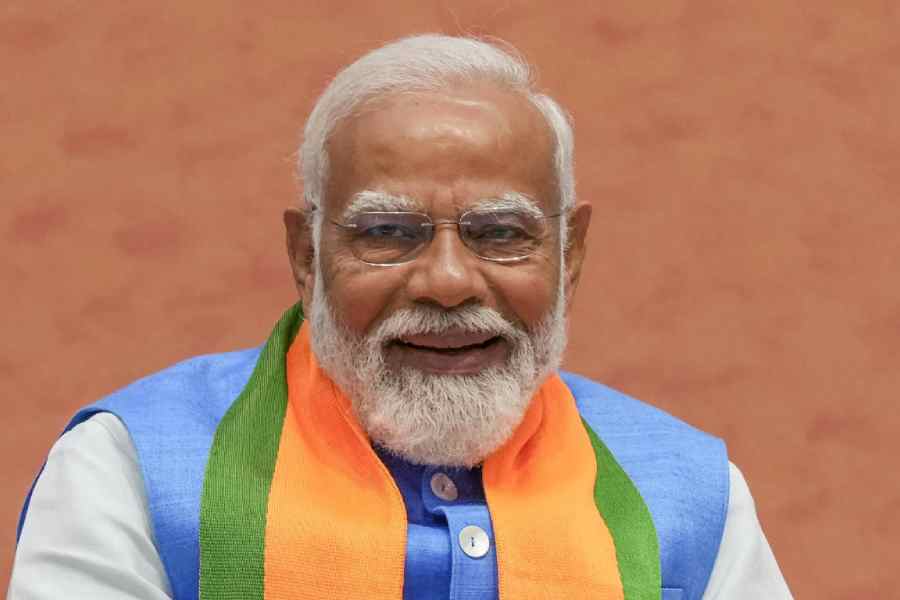
For the man who plays minder to Rahul Gandhi on his overseas visits, the Western media coverage seemed to imply that Modi had lost the plot and was on the cusp of being perceived as a global pariah
SWAPAN DASGUPTA
The govt, given the pressures on it from constituencies averse to climate change mitigation, cannot be expected to invest in sensitising the people. It must be done before time runs out
THE EDITORIAL BOARD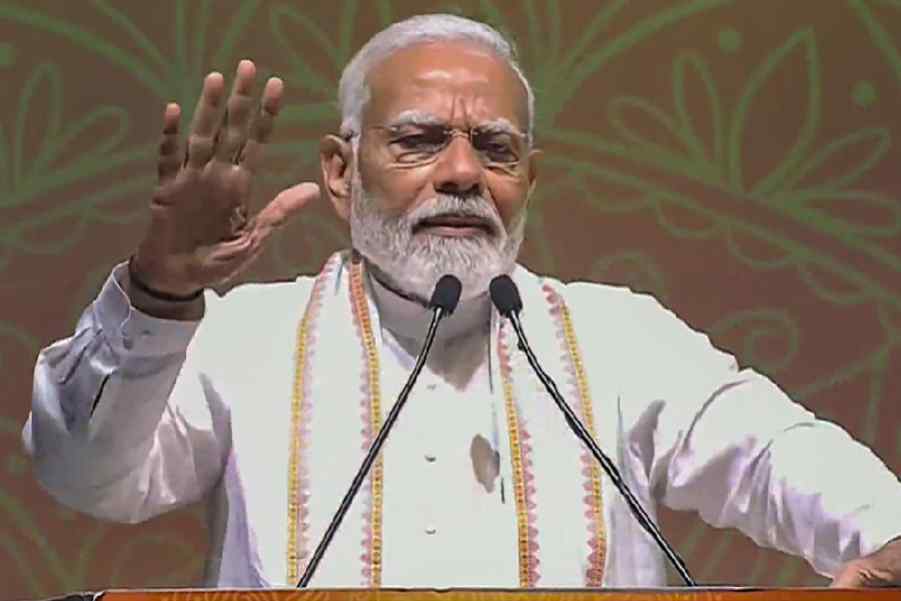

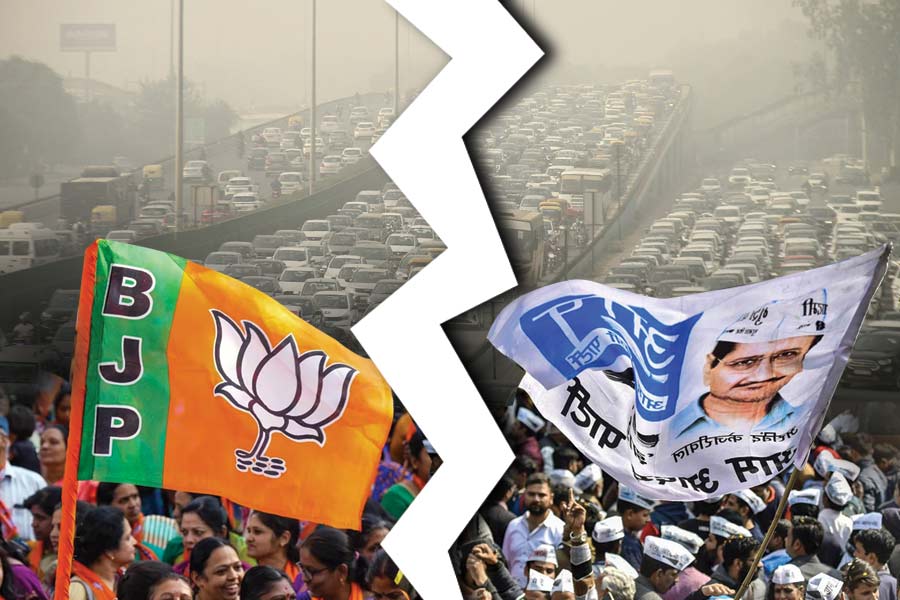
























The film stars Paul Rudd, Carie Coon, McKenna Grace, Finn Wolfhard, Kumail Nanjiani, Dan Akroyd, Ernie Hudson and Bill Murray