TT Epaper LHS
The Telegraph
TT Mobile
 
 
IN TODAY'S PAPER
CITY NEWSLINES
 
 
ARCHIVES
Since 1st March, 1999
 
THE TELEGRAPH
 
CIMA Gallary
 
Email This Page
Green patches dot parched terrain

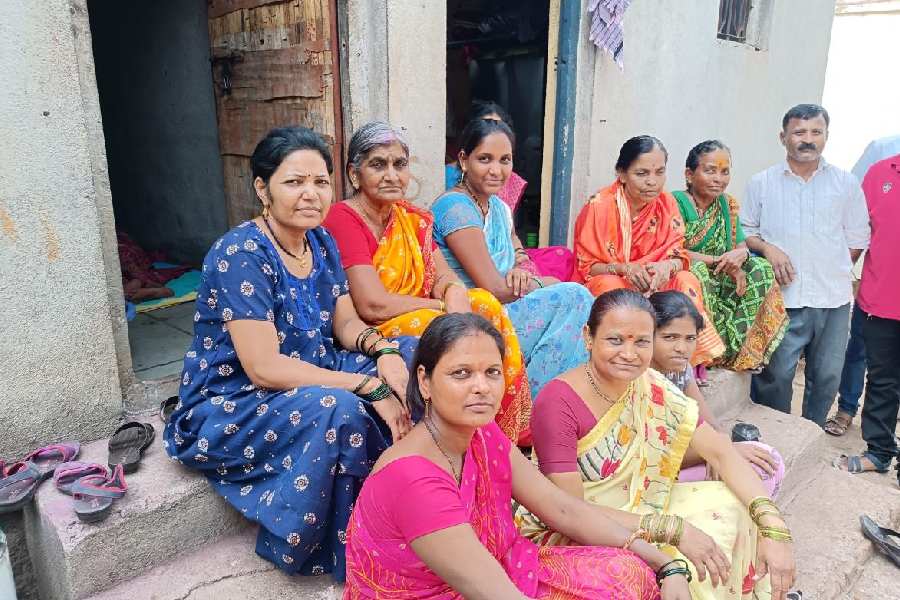
Karlakot (Kalahandi), April 18: “I will only give one vote, I won’t give them two,” declares an old woman with vibrant logic, in Karlakot village in the Boden block of Kalahandi, 36 km away from Khariar town.

She can still move fast, although her legs have begun to bend with the fluorosis that has affected many in the village. The third finger of her right hand has bent inwards. It was no use telling her that the elections are for both the Lok Sabha and the Assembly, and that the two votes were not a measure of extra empowerment. She was in a punishing mood.

This is not the only village affected by fluorosis in the area. The drying up of water sources and the dropping of the water table over the years have exposed a layer of fluoride-bearing rock, which is tainting both well and river water. The government has arranged for drinking water to be carried regularly to Sintex tanks set around the village. But even that does not always do, it is back to water from the ground if the pump blows.

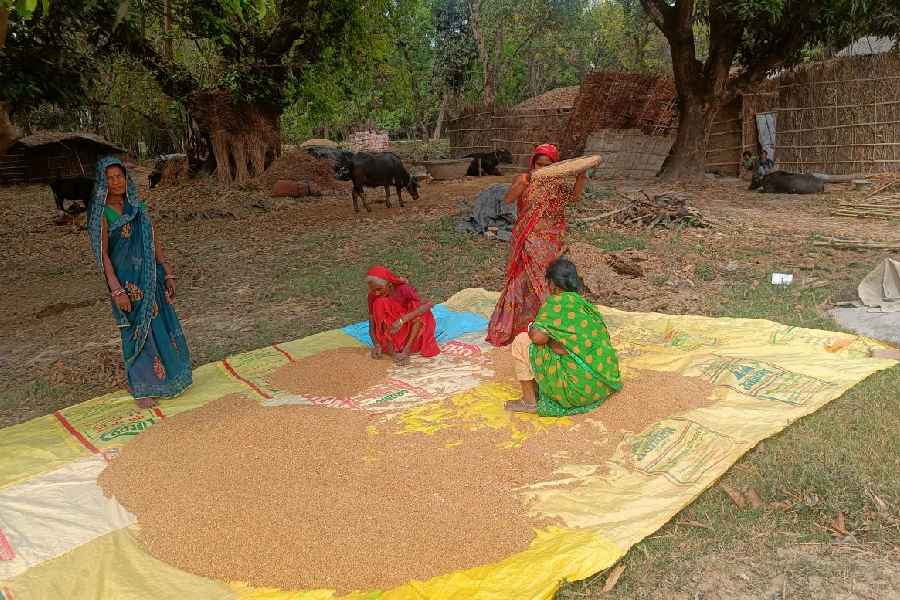
The oldest people are badly affected. With arms and legs barely workable, they cannot even function during the three-month harvest season, the only time when they need worry least about food.

The sparse work in government projects in the other months is now impossible for them, if only because that would mean traversing the stony, uneven paths among the scrub and bleached, stringy trees.

Kalahandi’s drama is captured in its landscape. Wherever there is a minor irrigation project, perhaps a small dam with canals, there is a burst of green. Small fields of young green paddy, leafy trees, sown patches of dark earth, birds calling contentedly are enough to make one forget the blazing heat and the endless stretches of arid red earth punctuated with black stone outcrops.

Ruthless deforestation, which began with the cutting down of the rich sal and teak forests to build the railway line in the late 19th century, has continued with the triumphant depredations of the timber mafia.

The soil lost its natural nutrients long ago and the traditional tribal structures of harvesting water have been dissipated. Sudden groves of shady mango trees are a pathetic reminder of the old saying in the region: 820 ponds for 620 mango trees.

But in Karlakot, even the mahua tree, ubiquitous further down, is rare. The mahua is a staple of the forest produce that the tribal people collect — where they are still allowed into the forests they once considered their own. When without rice, they sometimes boil its sweetly seductive fruit for food. Its seed, like the sal’s, is oil-producing.

But mahua, trifala, bantulsi, the sharp luscious onions grown by marginal farmers, the tendu leaf, of which Orissa is the second largest producer in India, enrich only the traders and middlemen. What is bought at Rs 2 a kg is sold next at Rs 12. But the tendu leaf collectors have been remembered this time in the election festival.

Although the government is finding it tough to pay its teachers’ salaries, Naveen Patnaik has gifted them all with slippers. Slippers might make them forget the hard ground.

In Karlakot, people’s limbs are going to sleep. It feels like “jhumjhumi”, they say. But the worst hit is a man in his forties, grizzled and smiling, with grey eyes and a face like an Italianate Hollywood hero. Recently his bent limbs have started trembling. He might not go to vote, he says, although the others will.

As boys search for fish in the beguilingly beautiful river next to the village, a BJP song floats up from somewhere further down.

Top
Email This Page