TT Epaper LHS
The Telegraph
TT Mobile
 
 
IN TODAY'S PAPER
CITY NEWSLINES
 
 
ARCHIVES
Since 1st March, 1999
 
THE TELEGRAPH
 
CIMA Gallary
 
Email This Page
Delhi marches ahead on ‘strategic’ tie-up road

Washington, April 11: Notwithstanding the Bush administration's decision to make Pakistan its “non-NATO military ally”, India is forging ahead on the road to a "strategic partnership" with the US.

The US continues to count on India joining the Americans in creating the Bush administration's ambitious missile defence system.

Towards this end, talks were held here last week between a two-member delegation from South Block and officials of the state department. Sources privy to the talks said the meetings were part of efforts by India to get detailed briefings on what exactly the US was planning.

"We have lot of questions, many clarifications," one Indian source said when it was pointed out that Japan's parliament had approved one billion dollars to be spent this year on the missile shield which is scheduled to be operational in three years. Tokyo may have to spend 10 times that figure in a decade to have the full protection of the shield.

"Japan already has military arrangements with the US in place," the source said. "It is an ally. With India the talks have a different, more basic dimension."

There are very many issues to be sorted out and cleared by both sides before India can be part of the system, but both Washington and New Delhi have an open mind on the subject, sources said.

Last week's talks here were conducted by Sheel Kant Sharma, additional secretary for international organisations in India's ministry of external affairs, and Sujata Mehta, the ministry's new joint secretary dealing with the US.

The talks also dwelt on India's recent efforts to join the Nuclear Suppliers Group (NSG), better known as the "London Club" of 40 nations which regulate trade in nuclear technology and equipment.

NSG membership is a key to eventual recognition of India's status as a nuclear power by the world, never mind the number of tests the country may conduct to prove that it has nuclear weapons capable of military use and delivery.

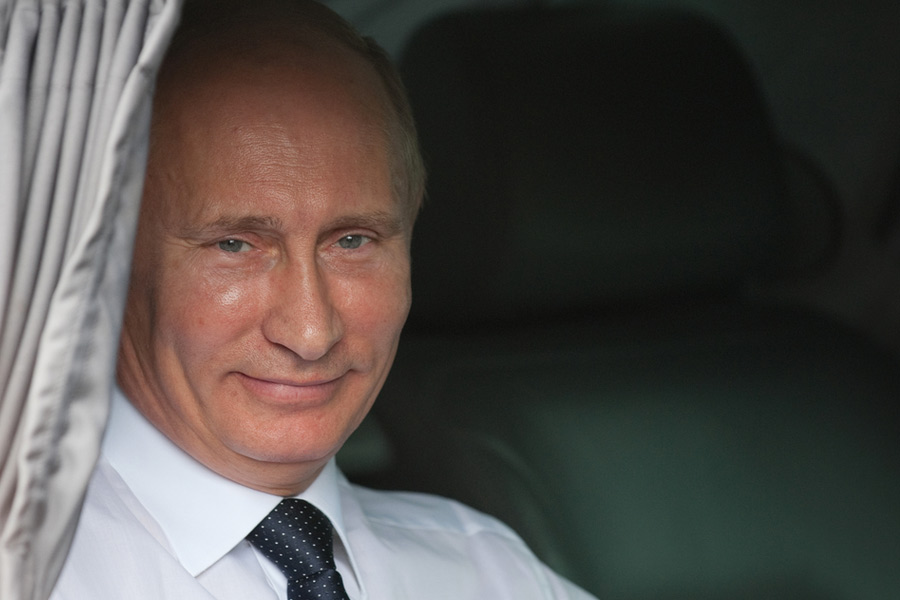
India's efforts to join the club have been encouraged by assurances by Russian President Vladimir Putin and his French counterpart Jacques Chirac that they would work for changing NSG rules which prohibit countries that refuse to sign the nuclear non-proliferation treaty (NPT) from membership of the group.

Prime Minister Atal Bihari Vajpayee had raised the issue with Putin and Chirac when he met them in St. Petersburg last May for the city's 300th anniversary. Russia has been under tremendous pressure from the US against its help to India in building civilian nuclear facilities at Kudamkulam and its export of nuclear fuel to Tarapur on the grounds that they violated NSG guidelines.

Within the NSG, Russia got around the objections by citing an agreement with India pre-dating the NSG guidelines, but India's admission to the group will be necessary for such transactions in future.

France also finds its civilian nuclear cooperation with India hampered by NSG restrictions. The strategic partnership unveiled by Vajpayee and President George W. Bush in January cannot make any tangible progress until NSG rules are amended and India is made a member of the club.

The NSG-related talks with the US earlier dwelt not so much on the Americans letting India into the group, but on Washington easing pressure on others dealing with India in matters such as civilian nuclear cooperation. But this has recently changed and India is seeking active US support in its quest for NSG membership.

Last week, there were indications that New Delhi was making progress in this direction when an NSG team, headed by its current chair, Chang-Beom Cho of South Korea, visited New Delhi for the group's first ever talks with India. Other members of the delegation were representatives of Sweden and the Czech Republic.

The team would not have taken the initiative to start talks on India's admission if the US had continued to oppose the idea of India joining the group without signing the NPT.

Top
Email This Page
Biz2Credit Bizsense