The Telegraph
 
 
IN TODAY'S PAPER
CITY NEWSLINES
 
 
ARCHIVES
Since 1st March, 1999
 
THE TELEGRAPH
 
 
Email This Page
Surrogate ad petition on court fast track

New Delhi, April 1: The Supreme Court will take up tomorrow the information and broadcasting ministry’s petition against the Andhra Pradesh High Court order that allowed direct as well as indirect political advertisements on television.

A bench of Chief Justice V.. Khare took into account the “urgency” of the matter after attorney-general Soli J. Sorabjee today “mentioned” the petition, which was filed yesterday.

Sorabjee contended that the high court had erred in staying Rule 7(3) of the Cable Television Network Act which was aimed at “suppressing… mischief” in the name of advertisements in the visual media.

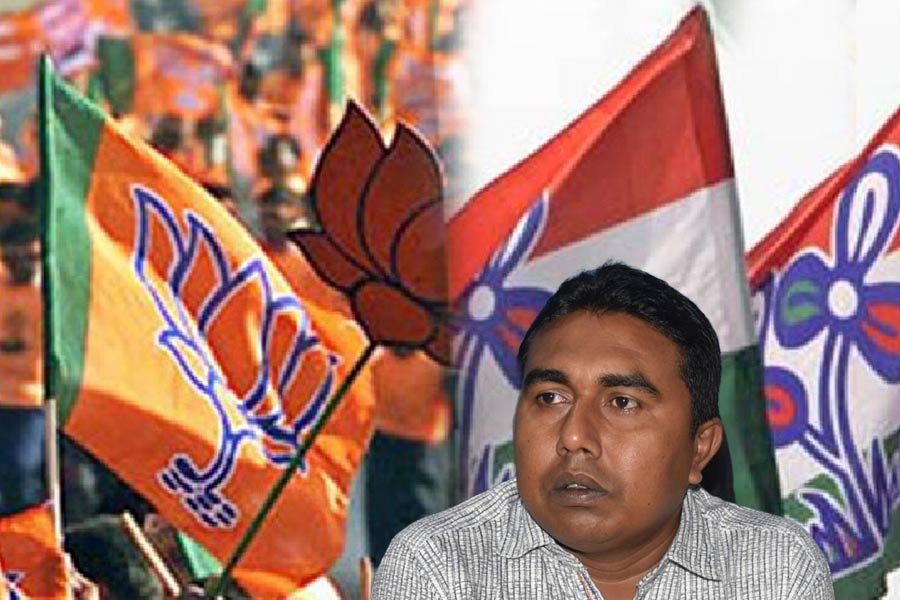
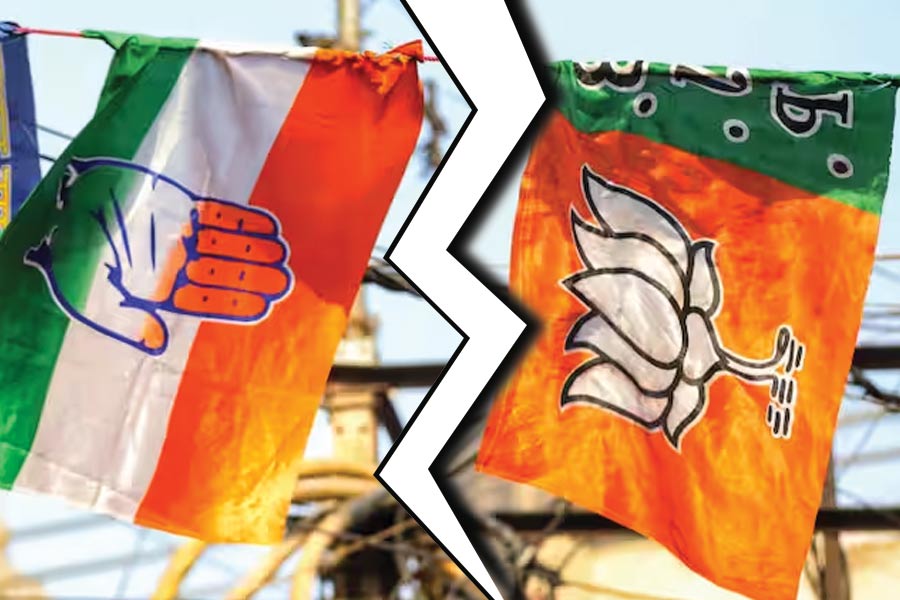
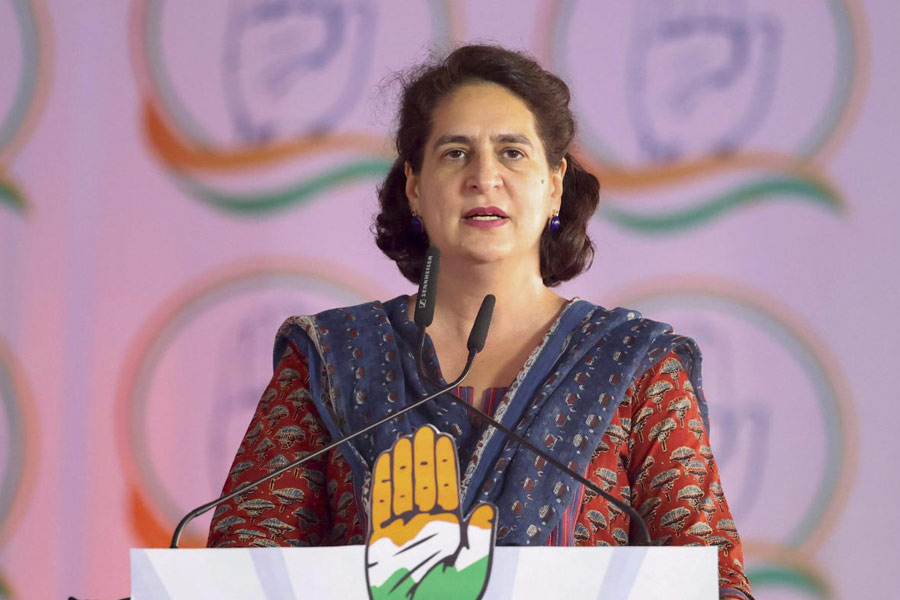
The BJP had allegedly started the controversy with surrogate advertisements through one Kamakshi Education Society. An advertisement depicting freedom fighters ended with a voiceover that “some people today want to hand over power to a foreigner” — an obvious reference to Congress chief Sonia Gandhi’s Italian origin.

The Congress responded with an advertisement of its own through another agency. It depicted A.B. Vajpayee as an “informer” during the Quit India movement. In another, allegedly prepared by the party, the Prime Minister takes off a mask to reveal the face of Nathuram Godse, Mahatma Gandhi’s assassin.

Sources said Vajpayee was “disgusted” with the ad war and summoned the attorney-general and I&B minister Ravi Shankar Prasad to find ways to stop “this menace”. But by that time, the Andhra high court, on a petition by Gemini Television and one P. Kiran, allegedly benami petitioner for chief minister . Chandrababu Naidu, had stayed the operation of Rule 7(3), which bars political and religious advertisements on television.

Sorabjee is said to have opined that a petition challenging the high court decision could be moved by the Centre.

The ministry’s petition said Rule 7(3) had the “object of ensuring that money power does not distort” the electoral process. “Permitting political advertisements on the electronic media could result in the electoral process being grossly distorted by money power. Distortion of electoral process by money power virtually means the negation of democracy…,” the petition said.

It said the high court failed to appreciate that the rule seeks to create a level electoral field as small parties and Independent candidates cannot afford the cost of visual media advertisements.

“The objective behind the prohibition on advertisements of a political nature on cable network is to prevent well-funded and resourceful individuals or organisations from using money power and the power of television advertising to distort the balance of political debate and the electoral process.”

It also argued that the “classification made in Rule 7(3) between the electronic and print media for the purpose of placing a restriction on political advertisements is valid”. It termed as “misconceived” the argument that the provision banning advertisements in electronic media was discriminatory as the same was not applied to newspapers.

The petition said the high court failed to appreciate the “classification” and hence came to the conclusion that the rule was violative of Article 19, which guarantees the right to speech and expression.

Top
Email This Page