|
|
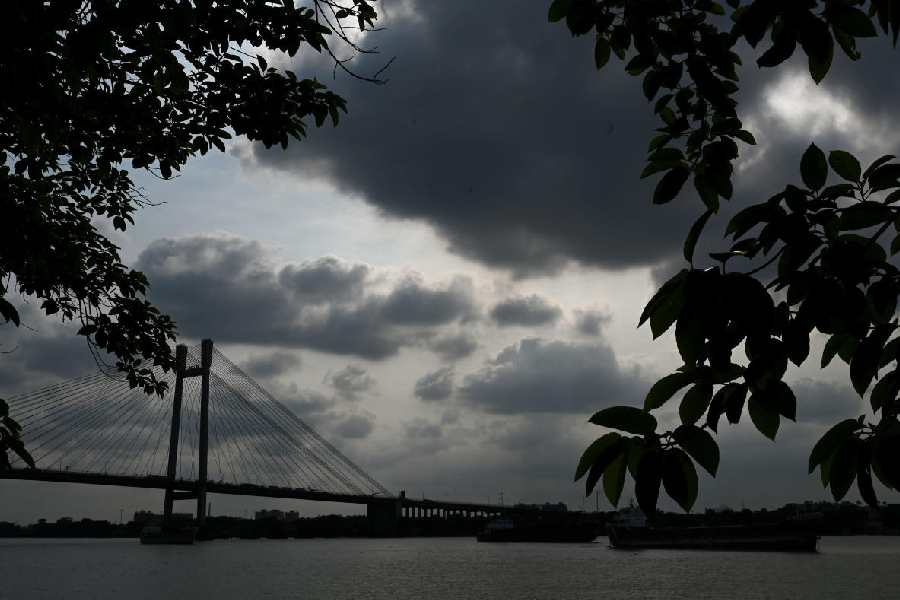
Curzon Park, for which a resuscitation project is in the offing
|
From returning the green lungs of the city centre to meeting housing needs of the middle-income group, augmenting road linkages to shoring up water supply and waste management… Pragati, an innovative infrastructure solution-providing initiative of home-grown professionals, is out to make a difference in the lives of Calcuttans by acting as an enabler and facilitator.
While it kicks off its journey by signing the MoU for the Curzon Park resuscitation project along with two Singapore-based agencies (Surbana International and Sembcorp Engineers & Constructors) and the PWD on Wednesday, many more value-adds are in the pipeline, the Pragati think-tank promises.
“We would like to be the catalyst linking urban infrastructure demand to resources and expertise lying dormant with the domestic private sector and international infrastructure agencies,” explains chairman R.K. Banerjee, a civil engineer and former senior programme implementation officer with Asian Development Bank, Manila.
On Wednesday evening, Pragati will ink another crucial agreement to launch Bengal Pragati Infrastructure Development Ltd, a joint venture with West Bengal Industrial Development Corporation (WBIDC). “The idea behind this venture is to provide an effective tool for implementation of projects,” says director Raj Shekhar Agrawal, who looks after market and financial feasibility, human resources, financial management and project monitoring.
After Curzon Park, Pragati will concentrate on a 2,000-apartment housing project for the middle-income group on B.T. Road, near Dunlop Bridge. “Here too, we want to bring in Singapore’s proven expertise in land use and internal space utilisation,” says Banerjee. The agency is also scouting for land to set up a “dream project” of 60-70 service apartments for Bengali NRIs.
“The real middle-class layer living in the city and its fringes is grossly under-served, since most organised projects are targeted at the high-income group. By analysing market needs and identifying investment-worthy projects through structured feasibility studies and research, we would like to prove that making products for the middle-class can be profitable too,” says Agrawal.
Apart from working towards bettering civil infrastructure of industry in the state — “a suggestion from WBIDC” — Pragati is also keen to improve urban infrastructure in secondary towns like Burdwan and get involved in satellite township development like in West Howrah. “Working with a government agency gives us a clear compass and we know which are the maximum-need areas to be plugged,” observes the chairman.
The agency is open to facilitating projects in the private sector too, “since there is a lot of land and money in the hands of private players waiting to be utilised”, feels Partha Ghosh, vice-chairman, business development and alliances. The great deal of expertise and equipment available in Southeast Asia and Japan, not finding gainful deployment, could come in handy, he adds. Ghosh is confident Pragati’s efforts towards improving urban environment for the middle rung would create “replicable models”.
|