The Telegraph
 
 
IN TODAY'S PAPER
CITY NEWSLINES
 
 
ARCHIVES
Since 1st March, 1999
 
THE TELEGRAPH
 
 
Email This Page
PUNISHMENT WITH A HUMAN TOUCH
- Document

Case 3: Stateless Punjabi refugees in Jammu and Kashmir since 1947: Over a hundred thousand Punjabi refugees had migrated to Jammu and Kashmir from the neighbouring Sialkot district of Punjab province (now in Pakistan) in 1947 during the Partition. Until now, they have not been granted citizenship. These refugees, mainly belonging to the scheduled caste communities, had settled in the area along the border in R.S. Pura and Kathua sectors. As Jammu and Kashmir had its own citizenship, namely permanent resident of the state, only a person having this citizenship was entitled to vote. Hence these refugees have been denied the right to vote until today. They are also not eligible for any government job and cannot buy land. The descendents of these stateless people continue to be denied the right to nationality. According to surveys done in the border belt, most of the refugees are poor, landless labourers belonging to the lower socio-economic strata of society. In the last assembly elections in Jammu and Kashmir in September-October 2002, the issue of granting citizenship status to the Punjabis was incorporated in the manifestos of all the parties. But no action has yet been taken.

Case 4: Pakistani refugees in Rajasthan: There are 17,000 Hindus from Pakistan who sought refuge in India in 1965 after the Indo-Pakistan war. They are scattered in Jodhpur, Barmer, Jaisalmer, Jalore and Pali districts.

In 2001, a review committee was formed with six members to be headed by the additional chief secretary (state home secretary), R.K. Nair. The other five members of the committee were to be the rehabilitation secretary, the revenue secretary, the divisional commissioner, Jodhpur, the deputy secretary- home (member secretary) and a representative of the refugees.

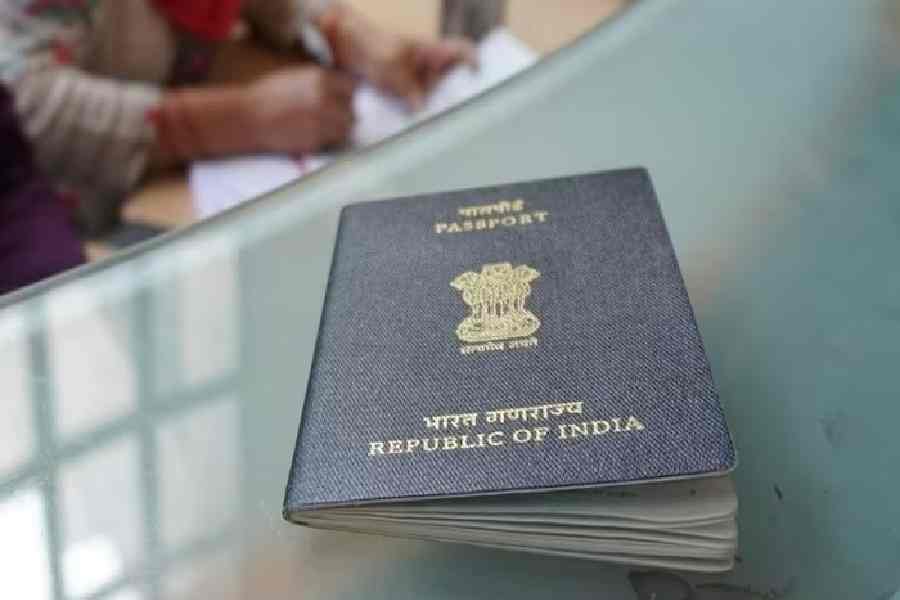
On November 24, 2001, the committee made its first recommendation to the Central government to accept applications for citizenship after they renounce Pakistani citizenship on a simple affidavit. This would exempt them from paying Rs 1,680 to the Pakistani embassy for renewal and renunciation of the passport.

The refugees are also prohibited from visiting the districts bordering Pakistan. The committee in its second set of recommendations on February 24, 2002, stated that Pakistani nationals who had resided in India for 5 years should be allowed to visit the border districts. It was endorsed by the chief minister who stated that the powers to grant citizenship should be given to the district magistrate. As of August 2003, these refugees and their children are denied right of nationality.

Article 28...of the convention on the rights of the child urges states to “take all appropriate measures to ensure that school discipline is administered in a manner consistent with the child’s human dignity and in conformity with the present convention”. Yet, corporal punishment continues to be applied across India with legal sanction. Many state education boards legally permit corporal punishment.

The government of India has failed to ban corporal punishment in schools. Indeed the government of India’s response to corporal punishment is similar to its response on torture by law enforcement personnel — it does not exist and therefore, it makes no reference to the corporal punishment issue.

Top
Email This Page
Businessworld RO
AnandaUtsav
Shopping 120x600