|
The peaceful conclusion of the
denouement at the temple town of Ayodhya has pleased all
key players but one. The Vishwa Hindu Parishad stands isolated
in the political landscape. The governments in both Lucknow
and New Delhi have managed to avert crises.
A new precedent of co-operation
between regimes of opposing political hues has been set
in a troubled region of north India.
Ashok Singhal continues to breathe
fire but there is little sign that the spark has spread.
In sharp contrast to October 1990, when Mulayam Singh Yadav
and the Sangh parivar were both on a warpath, there is little
resonance in the vast Hindi heartland. The card has been
played many a time and over and now yields sharply diminished
returns.
The other possible explanation
is more complex. For both Mulayam Singh and the BJP, the
politics of polarisation is past the peak. The former is
trying to put together a new social coalition that has space
for all but the Dalits. This should explain why he has been
so restrained and measured in his containment of the VHP
cadre and volunteers.
In the early nineties, north India
was just emerging into a post-Congress era. Both the claimants
of majority and minority support wanted to up the ante.
It was a means to garner and consolidate support.
The Hindutva groups succeeded
beyond all their dreams and even came to power in 1991.
Ram Lalla proved more powerful in the voter’s mind than
the magic of Mandal.
All that was long ago: the saffron
party is now a shrinking force in Uttar Pradesh.
What was once a masterstroke now
looks like a desperate gamble to hold together a constituency
increasingly, perhaps, irretrievably fractured on the lines
of caste.
The BJP’s predicament is of a
party leading the Union government. It is busy back-pedalling
on the emotive temple issue. The Centre even helped the
state government with central paramilitary forces.
The government is also mindful
of the growing distaste in a significant part of the body
politic for the ferocity of the Gujarat massacres last year.
Any untoward developments at the disputed site in the temple
town would only worsen matters for the Gujarat government.
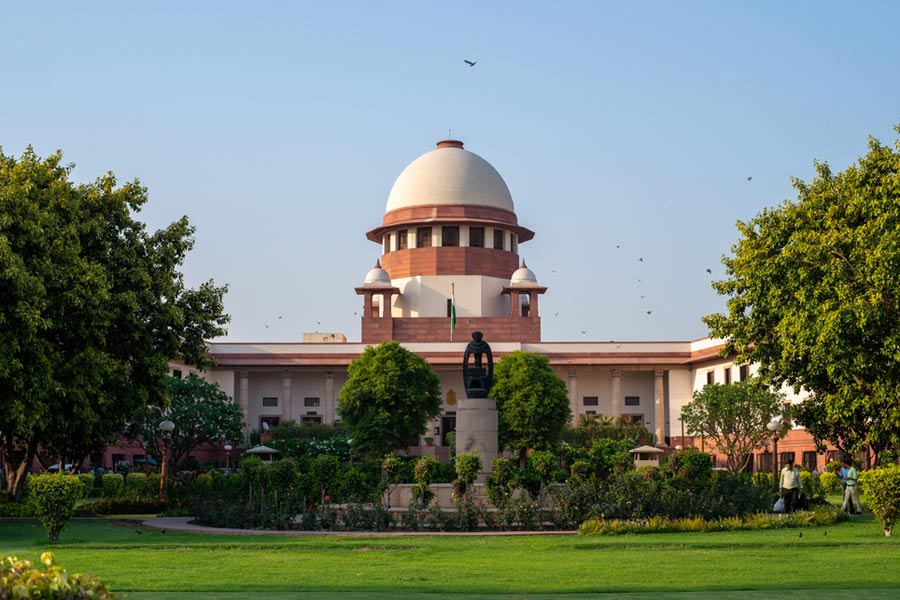
The latter already faces further Supreme Court strictures
on tardy investigation of the massacres.
The party also put some distance
from Praveen Togadia’s comment that violence would follow
if “the Ram bhakts were prevented from offering prayers
at the disputed site”. In a sense, this suits Vajpayee’s
team in its larger battle plan. The new stirrings of realignment
within the NDA indicate the smaller parties will try demand
a greater pound of flesh. Any new conflagration will only
decrease the larger organisation’s clout.
Conversely, a Vajpayee under attack
from the firebrands of the VHP attracts centrist support.
This only adds to his image as a man who stands above the
fray. He did appeal that the Parishad be trusted and allowed
free run of the town but it was a statement for the record.
It was not followed up and there was no secret about where
his sympathies lay in this instance.
All the more so, since it is the
main challenger against Congress ministries in the four
Hindi belt Assembly elections this December.
The Ayodhya card and its variants
such as cow slaughter are simply not working. It is more
prudent to focus on the shortcomings of the chief ministers.
Riding a wave of anti-incumbency has worked more often than
not in the past. All the more so in north India where the
gap between promise and performance is all the greater.
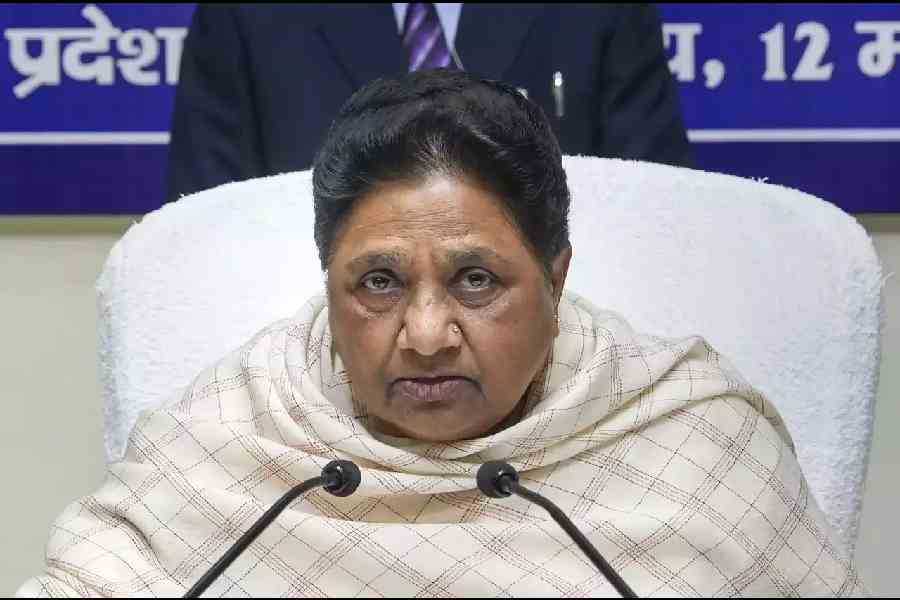
Interestingly, both Mayavati and
the Congress were left on the sidelines in the most recent
round of the battle for Ayodhya. Both are out of power but
trying to play up on the Samajwadi Party-led coalition’s
record. Neither made much headway. Mayavati alleged complicity
of the Sangh and the Samajwadi Party and asked all trains
with kar sevaks be stopped at the Uttar Pradesh border
if possible.
The political implications are
clear enough. The build-up by the VHP did not work wonders.
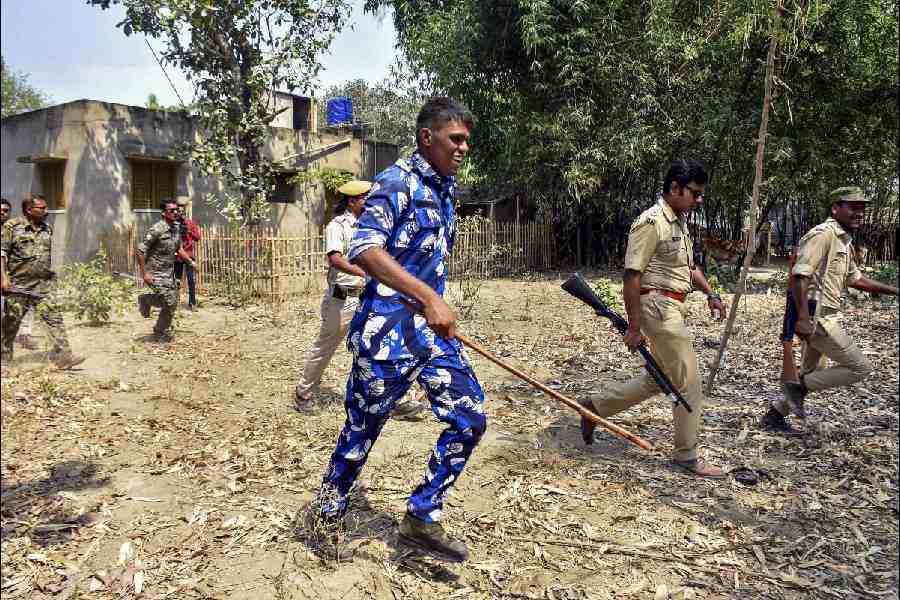
Bereft of a sympathetic administration and faced with police
batons and tear gas, the cadre are like paper tigers.
The larger implications are significant.
The general elections are due a year from now. If the BJP
and its allied organisations do not play the Hindutva card
full tilt, it will deprive the Congress of a key rallying
point for secular forces.
Few would have imagined a decade
ago that Ayodhya could signal such realignment. The VHP’s
trial runs on the issue in the late eighties had convinced
the BJP that the temple could be its electoral mascot. Whether
the reverse will be the case is yet to be seen. But last
Friday did provide a pointer in that very direction.
|