|
Only a few years ago, Indians
going abroad were armed with long shopping lists. Visitors
from overseas were particularly welcome because of the things
they could be asked to bring. These included liquor, chocolate,
soft-drink concentrates, toys, fountain and ball-point pens,
wristwatches, clothing (particularly women’s underwear and
socks), and a variety of other consumer products. Even large
soft-drink bottles of plastic to store water in refrigerators,
school-bags, shirts, sweaters, suits, shoes were preferred
from abroad. Foreigners leaving India after a posting in
diplomatic missions and companies would auction everything
that they had to eager Indian social climbers for hefty
prices.
Some Indian women in Bombay and
Delhi were not even averse to buying second-hand underwear
in this way! Colleagues from overseas companies and Indian
managers returning from trips would often carry in their
suitcases essential spares and materials urgently required
in the factories but that would have been greatly delayed
if they had to wait for the necessary permissions and licenses.
Every person who had ever travelled abroad kept safely and
secretly (to avoid being caught and prosecuted as a criminal
under the Foreign Exchange Regulation Act) a small nest-egg
of dollar-notes to pay for his next overseas shopping.
Some multinational companies set
up special divisions to smuggle in their products (like
cigarettes) from Dubai. Some also spent on foreign advertising
channels received in India like Radio Ceylon to promote
demand in India. Distributors employed salesmen who would
make sales calls on retailers to book orders for foreign
consumer products that would be delivered within a definite
period. Others took orders from well-heeled customers for
expensive imported refrigerators, washing machines and so
on that were also delivered within a given time. Organized
selling of imported liquor, mostly whisky, was common in
all major cities, and still continues.
Most such transactions were violating
one or more of the many laws that our “socialism” and high
taxes had imposed on us. The government wanted to use Indian
resources for economic development. Consumption was ideologically
incorrect since it took away resources from investment in
development. Imports were banned or heavily taxed and local
production was restricted so that those who got the licenses
to import or produce could exploit the consumer with poor
quality and high prices. Generations of Indians grew up
to feel guilty about spending money on consumption.
These restrictions stimulated,
in response, a labyrinth of entrepreneurs within and outside
the government. They were the fixers, colluders, smugglers,
arrangers, contact men, traders and many others from among
politicians, customs officers and other government servants,
unemployed youth, traders and others.
The ordinary citizen put multinational
companies on pedestals. He regarded them as honest, producing
the best quality products within the limitations of a closed
economy, who tried to function without offering bribes and
whose shares were better than gold because they offered
good dividends and capital appreciation with safety. Given
a choice, he would rather buy an imported branded product
than a domestically produced one, and if made in India,
by a foreign company than an Indian one.
To the large band of government
created law-breakers were added a new set when Indira Gandhi
nationalized banks and insurance companies, and set up the
country’s only mutual fund under government guarantee, the
Unit Trust of India. Vast financial resources now came under
the control of politicians, bureaucrats and other fixers.
These white-collar law-breakers could instruct banks and
financial institutions to give large loans and even purchase
equity in new and old companies. Finance ministers organized
distribution of large sums that were not meant to be recovered
through “loan melas” and instructed loans to be given
for non-viable projects.
UTI and the FI’s were made to
buy equity in such companies. The projects were many times
unsound and with poor management. It was a happy time for
fixers and arrangers. Top management in government-owned
lending companies stopped exercising their judgment in sanctioning
financing. FIs, many banks and UTI became almost “Ponzis”
with book-profits not supported by inflows of interest,
dividends and loan repayments. The laws protected these
unreliable borrowers as against the lenders. In Rajiv Gandhi’s
words, “companies became sick, but not their promoters”.
Many customers of nationalized
banks continued with them only because the charges for services
were low. The service was rude, the premises were dirty
and badly lit, and the waiting time for most matters was
inordinate. As with consumer products, the foreign banks
were considered the acme of service quality. Customers would
prefer to use them but the restrictions on minimum balances
and the high charges kept customers with the state-owned
banks.
In insurance also, the service
quality was atrocious. The cost of life insurance was high.
Settlement of any insurance claim was slow and often corrupt.
But the customer had no choice except Life Insurance Corporation
or General Insurance Corporation. UTI was, on the other
hand, the most trusted of the financial companies owned
by the government. It gave the government guaranteed returns.
Thus Indian consumers held in
low respect Indian manufacturers, banks, insurance companies
and financial institutions and other government-owned service
companies like Air India, Indian Airlines and the India
Tourism Development Corporation hotels. ITDC hotels lost
custom rapidly. Air India lost more slowly because Indian
“ethnic” traffic to the Gulf and elsewhere was more comfortable
with an Indian ambience. With Indian Airlines, passengers
could only curse its inefficiency, poor and rude service,
terrible food and poor cleanliness, but had to keep using
it.
Today the UTI has lost its glitter
because of mismanagement, causing disquiet and loss to millions
of savers, as have the financial institutions, the Industrial
Development Bank of India and the Industrial Financial Corporation
of India.
But with most of the others, the
position is transformed. Products of even the most highly
regarded multinational companies (like Lever, Procter &
Gamble, General Foods, Colgate, Philips) are struggling
to maintain market shares and profits. Nirma, Anchor, Rasna,
Videocon and many other Indian names are now calling the
shots in the markets. Foreign goods are legally available
at competitive prices in shops, but customers no longer
flock to them. There is little smuggling of consumer products
unless highly taxed, like cigarettes and alcoholic beverages.
No longer do Indians skimp and save on their foreign exchange
allowances to hoard a few dollars to pay for something they
might need from abroad. They can buy whatever they wish,
made in India or abroad, of the best quality, in India.
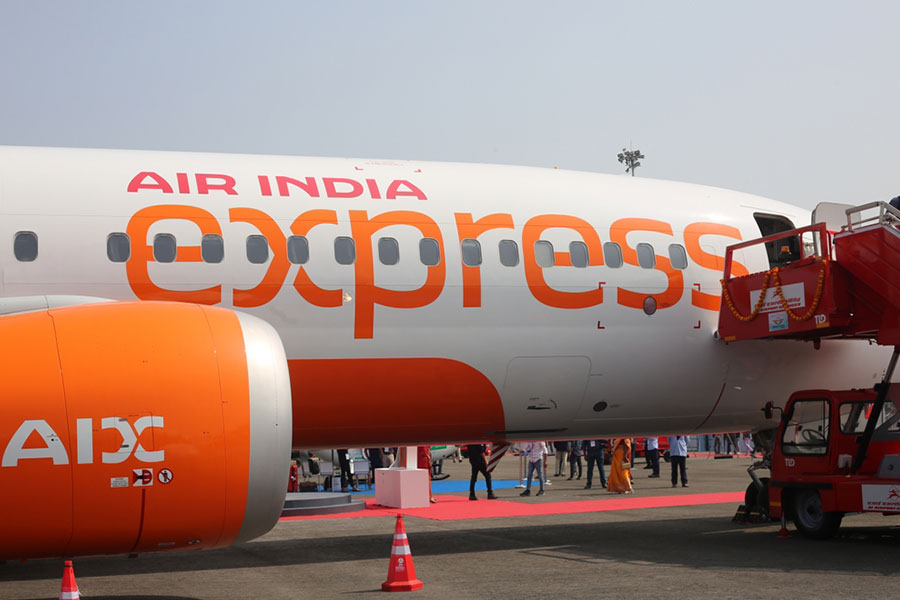
Indian Airlines is a much improved airline that is regaining
share, albeit modestly. Air India is profitable at a time
when most international airlines are losing money, despite
competition from many foreign airlines.
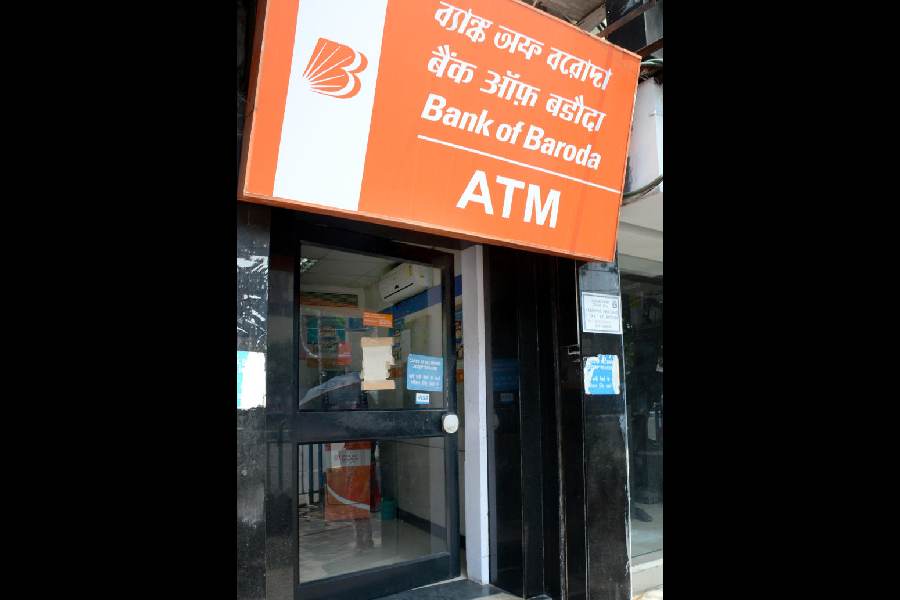
The nationalized banks are now
in the forefront of reform, reducing their overstaffing,
improving customer service, making their offices more attractive,
going in for computerization and installing ATMs galore.
They have done this while keeping themselves cheaper than
foreign and private banks and retaining low priced service
to the smaller depositor. Customers are beginning to prefer
them over foreign banks.
The myth of superiority of the
foreigner — whether manufacturer, bank or other service
provider — has been exploded. Even state-owned companies,
given the right environment, are showing that they can be
customer-oriented and profitable. When given freedom to
procure materials, equipment and technology from wherever
they want to, establish large and economic production capacities
in locations of their business choice, Indian manufacturers
have shown themselves to be nimbler than their elephantine
foreign competitors. The Indian consumer no longer blindly
prefers foreign to Indian. And he has begun to keep his
money in rupees, not in dollars.
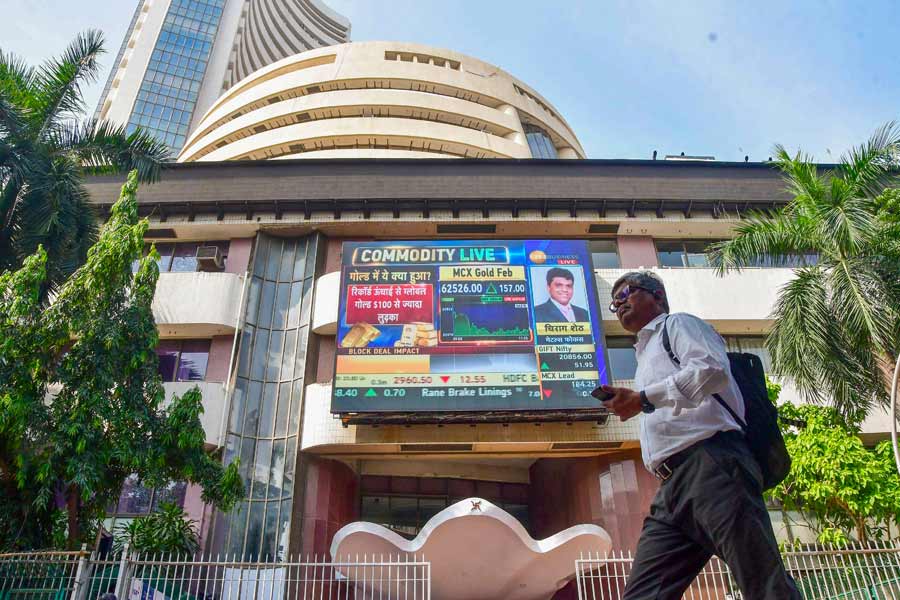
If only the Indian equity markets
were cleaner, this would be a great time for Indian companies
to raise equity. That also will happen, perhaps sooner than
it has taken to demolish the myth of foreign superiority.
|